Phone Cases and Screen Protectors, One Year Later
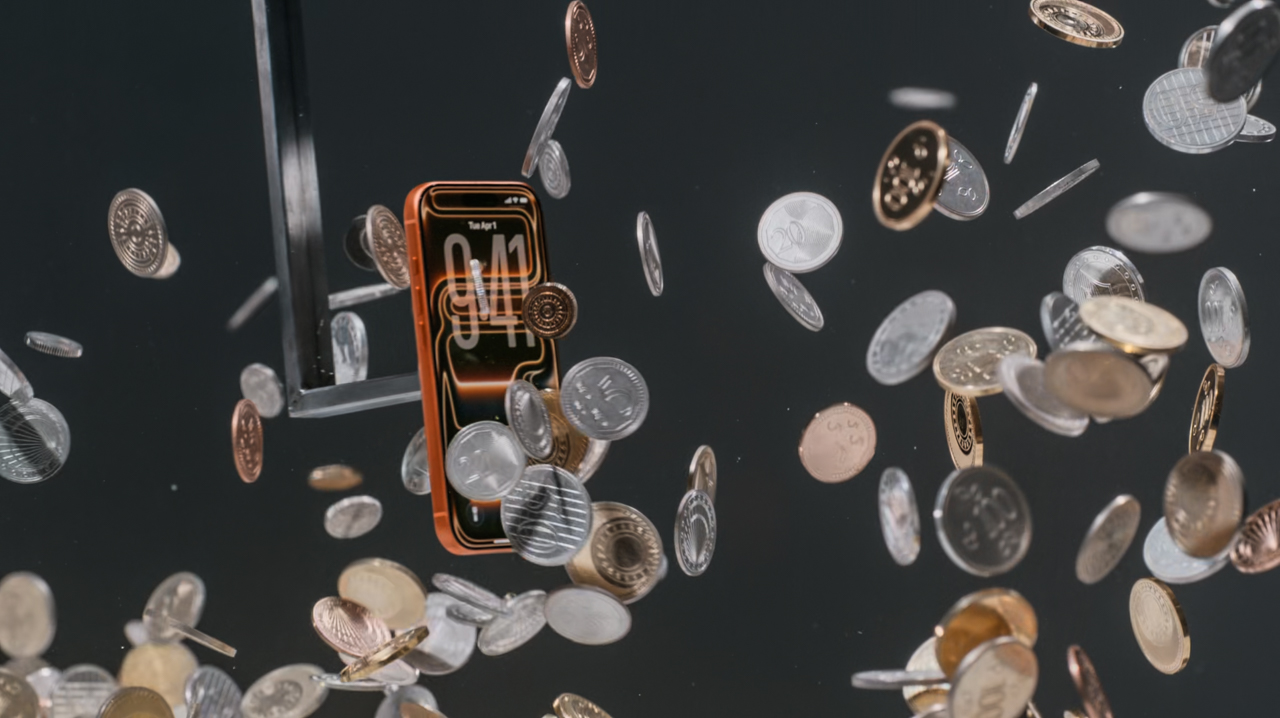
My partner and I bought iPhone 17 Pro Maxes last year, along with comparable screen protectors and cases. A year of accidental A/B testing later, here’s what held up.
A few questions worth revisiting:
- Do you need a screen protector? Which kind?
- Do the camera lenses need one?
- What about the camera plateau?
- Can a clear case stay clear?
Comparison 1: Coating wear
Same purchase date. Protectors installed the same day, neither replaced since. We live and work together. The main difference: I toss my phone in a bag with keys and everything else. My partner gives theirs a pocket to itself.
Mine is on the left throughout these comparisons. All shots use a photography light and the same DSLR settings.
Both protectors are top-end Torras models with essentially the same anti-reflective, water-repellent, and oil-repellent coatings. The glass differs: Corning on mine, Schott on my partner’s. After a year:
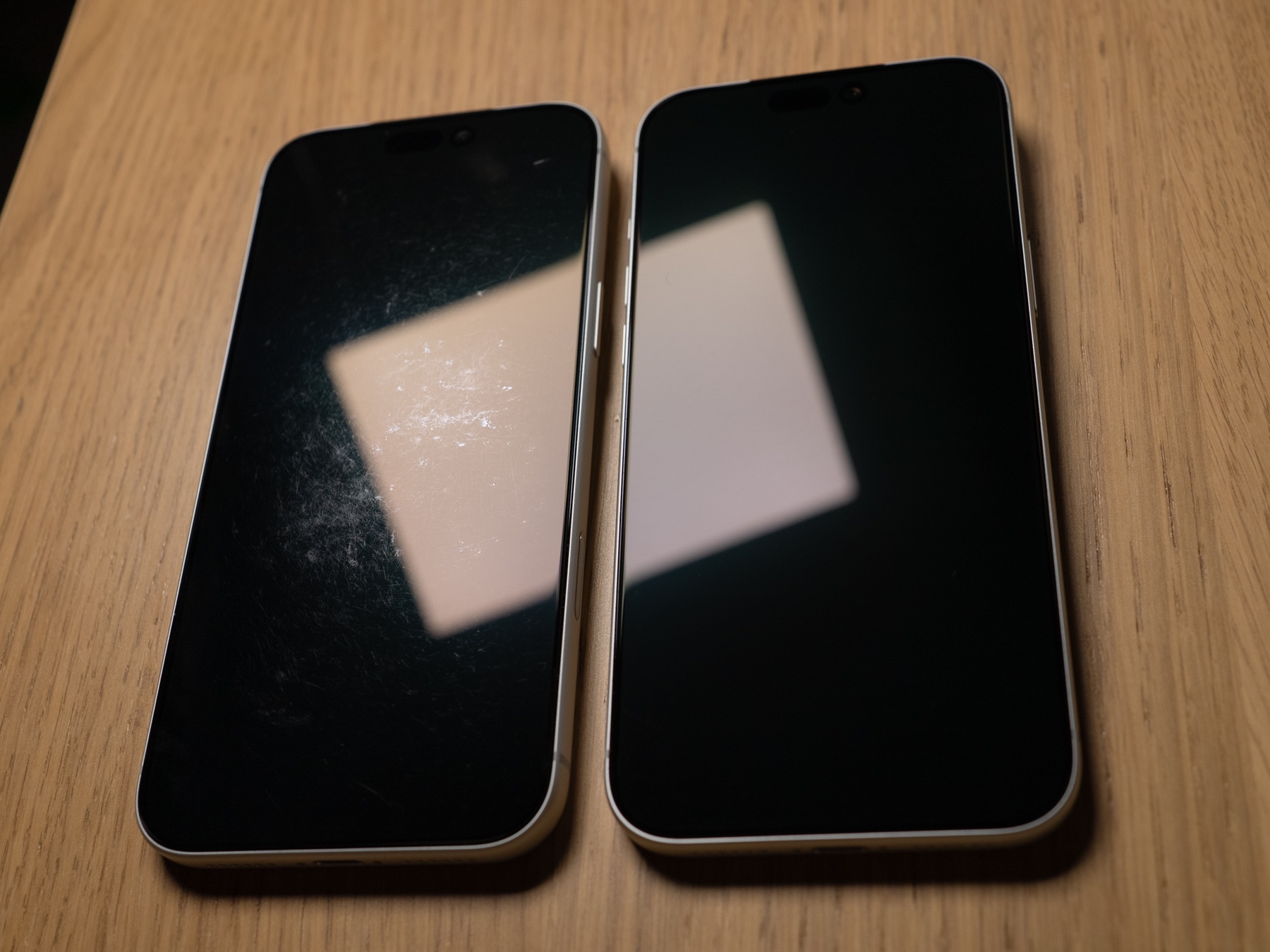
Coating wear after a year
Left: carried with keys and other stuff; coating worn down
Right: a pocket to itself; still like new
The glass on the left is fine. The coating is shot. The one on the right still looks new.
Coatings wear out, including the one on the bare screen. A protector is an easy replacement; the screen’s coating isn’t. AppleCare+ excludes cosmetic wear that doesn’t affect functionality, so the discounted service fee won’t help. Same deal as worn anodizing on the frame.
Even if cracking the screen doesn’t worry you, there’s a financial case for a protector: put the wear on the part that’s cheap to replace.
Treat a phone like I do, and the coating may give out before you’ve gotten much use out of the premium glass and curved edges. Treat it like my partner does, and a good protector can last. Cheap and frequently replaced, or expensive and kept longer: either can make sense.
Worth using a protector?
- Yes, for replaceable coatings alone. Cheaper and easier than dealing with wear on the screen.
- Hard on your phone? Buy cheap and replace often. Careful with it? Consider a premium protector you can keep longer.
Comparison 2: Anti-reflective performance
The iPhone 17 finally has an AR coating that makes an obvious difference. Earlier spec sheets didn’t explicitly list one. The bare screen handles reflections well—but does a protector undo that?
I peeled the worn protector off the phone on the left. The premium AR protector stays on the right:
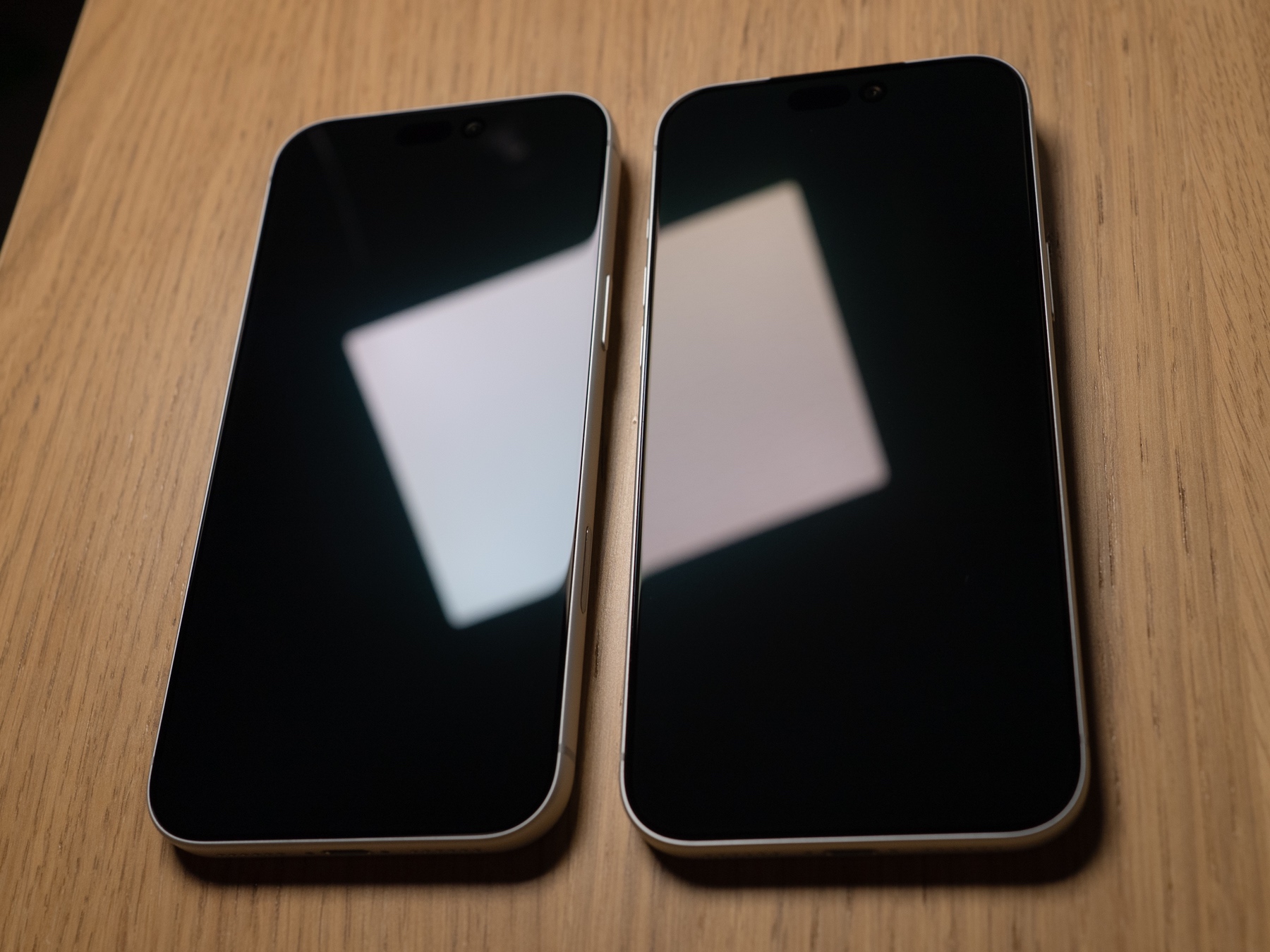
Bare screen vs. premium AR protector
Left: pristine iPhone 17 Pro Max screen, protector removed
Right: premium AR protector
The light’s reflection is dimmer on the right. A year-old protector, still less reflective than the freshly uncovered screen.
Protection and fewer reflections aren’t mutually exclusive. And when that coating wears out, you can replace it. Try doing that with the screen’s coating.
Does a protector hurt anti-reflective performance?
- The right AR protector can beat the bare screen. And its coating is replaceable.
Comparison 3: Budget vs. premium protectors
So what does paying more get you?
Next, I fitted the phone on the left with a cheap protector that came free with a case. The right stays untouched:
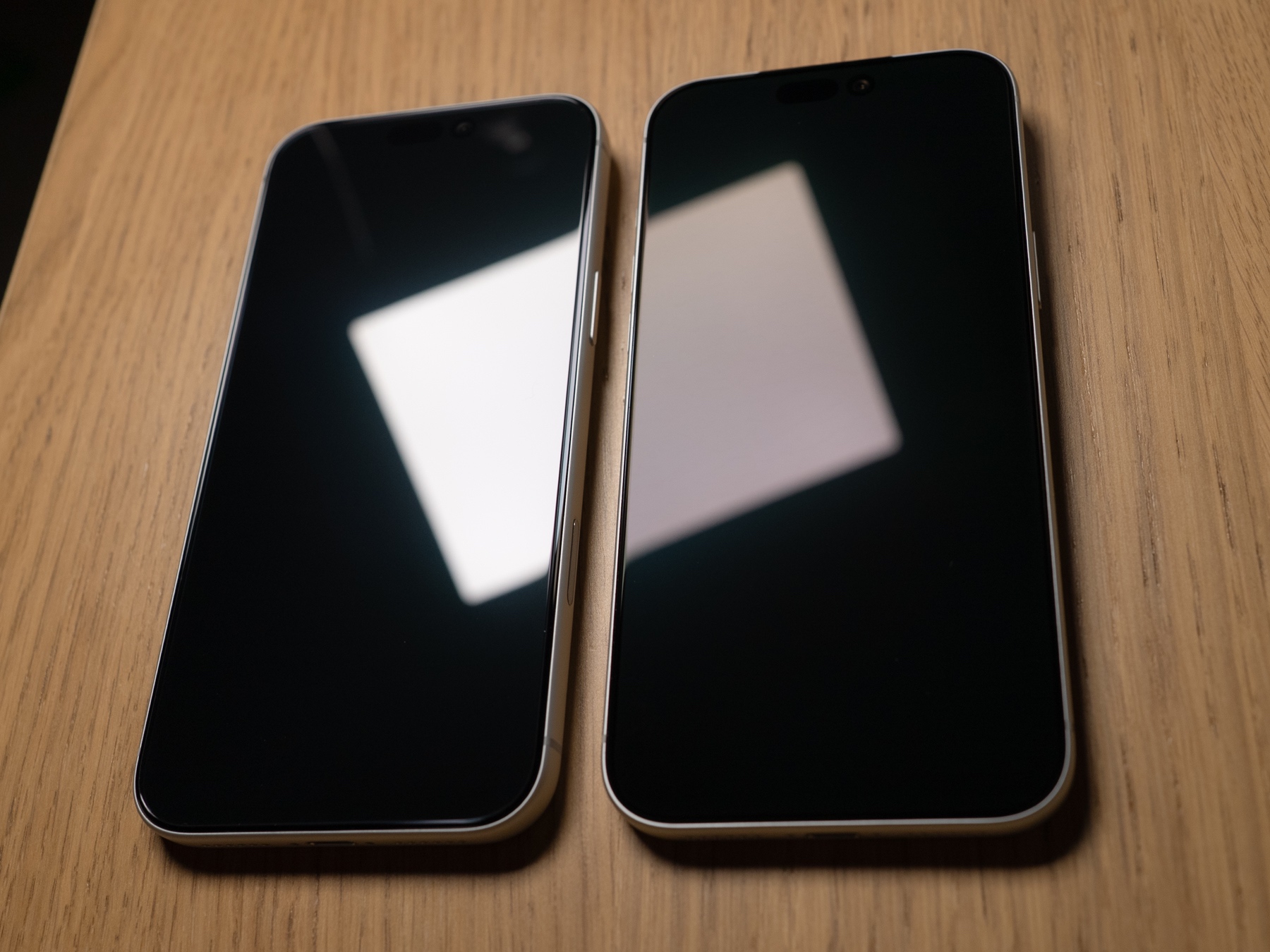
Budget vs. premium
Left: budget protector, about $4
Right: premium protector, about $30
The reflection on the left is much brighter. Here’s the bare-screen shot again. The cheap protector gives up even the screen’s own anti-reflective advantage:
Bare screen vs. premium AR protector
Left: pristine iPhone 17 Pro Max screen, protector removed
Right: premium AR protector
Frequent replacements keep cheap protectors slick. They don’t add AR. Most budget models lack it; those that have it tend to use less durable coatings.
Then there’s what a photo can’t show: the edges. Budget models generally have 2.5D edges that can feel sharp and trap dust. With 3D curved glass, swiping in from the edge feels almost like using the bare phone, even without a case.
Full-coverage 3D protectors need a black border to hide tolerances around the screen’s curved edges. Read the reviews. That border shouldn’t be covering pixels.
Installation tools account for some of the price, too:
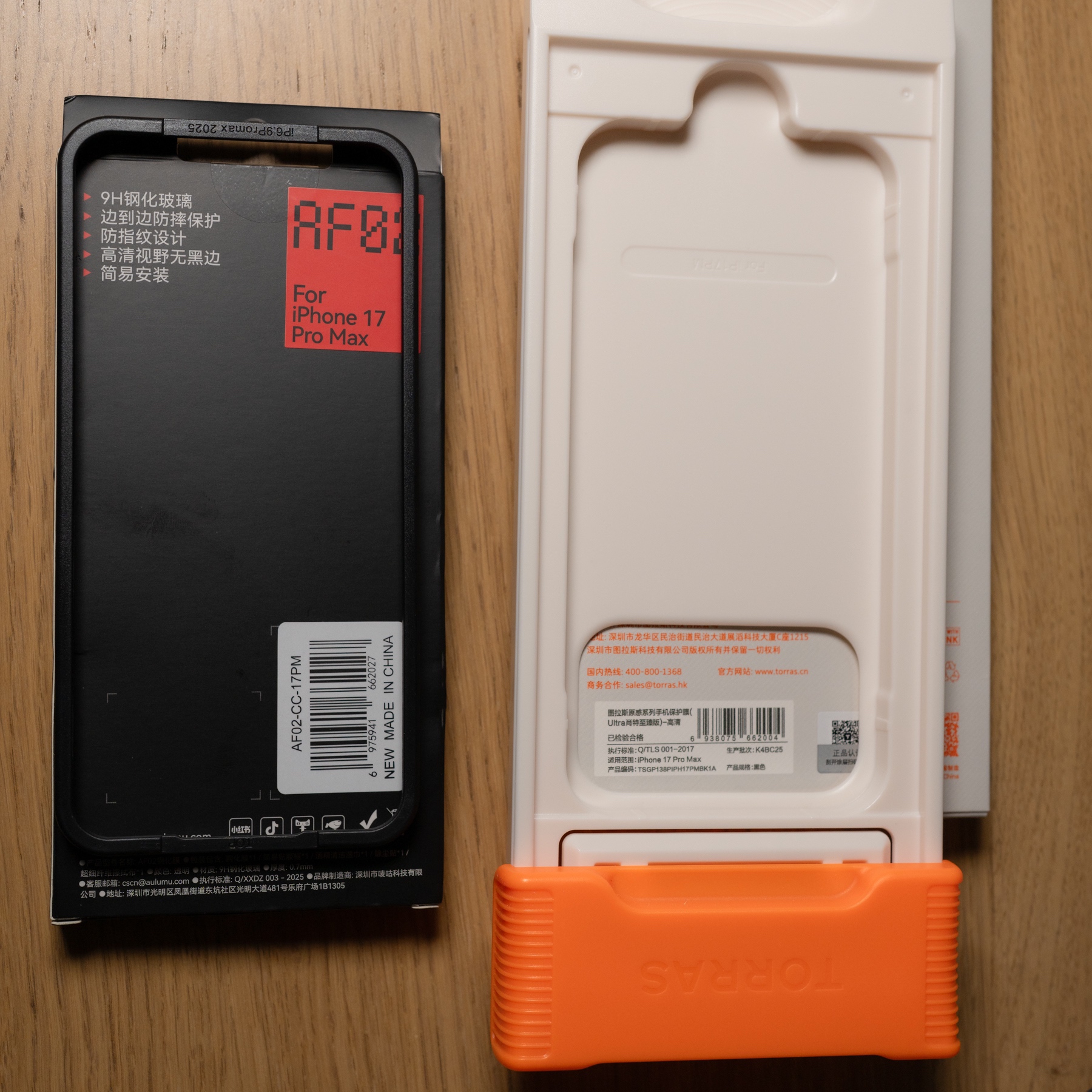
Left: budget tempered glass and an alignment frame
Right: premium protector and a dust-free applicator
Budget models usually include an alignment frame, if that. Premium ones may include an enclosed dust-free applicator. If you’re inexperienced or working somewhere dusty, the tool can save you a failed install.
For a construction site—or someone who treats a phone like I do—cheap and frequently replaced is a sensible choice. You trade away some glare control and edge comfort.
But look back at the phone on the right. A year in, its premium protector is still in great shape and still outperforms a brand-new cheap one on reflections. Keep it that way and the extra money buys a better experience for longer. Fewer replacements might even make it cheaper overall.
Which should you buy?
- Rough conditions: cheap, replaced often. A fresh surface, with compromises in feel and reflections.
- Careful use: premium. Better feel and fewer reflections for longer; potentially better value, too.
Camera lenses and clear cases, one year later
Lens protectors and plateau films
One phone lives with keys and assorted junk. The other gets looked after. A year later, the lenses don’t tell you which is which:
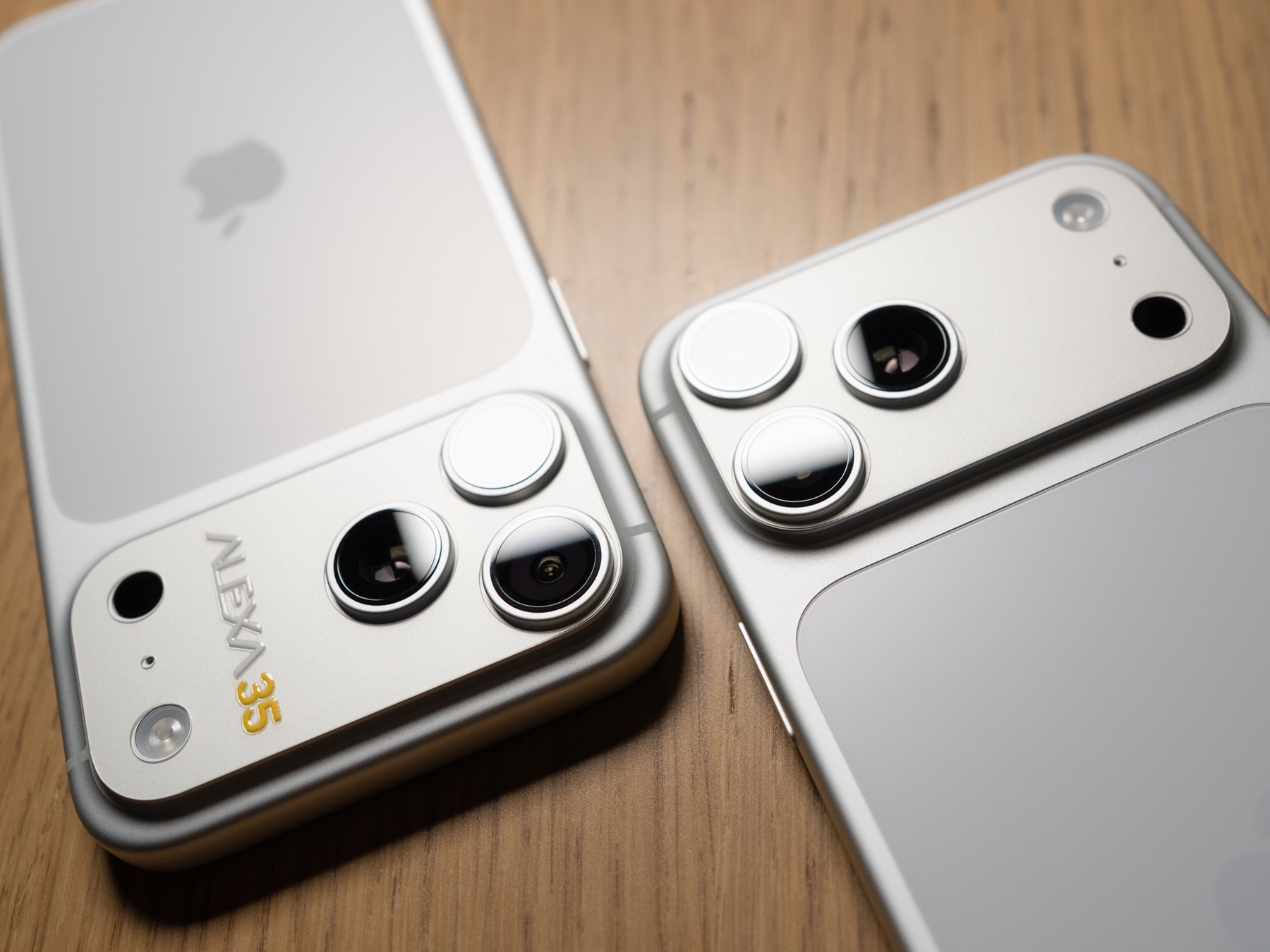
I called lens protectors unnecessary in my case write-up. Another year hasn’t changed my mind. All they add is an optical compromise.
A film on the camera plateau, though? That I recommend. Both phones have one. The aluminum alloy marks more easily from knocks and scrapes, and cases that cover the whole area look ugly once dust gets underneath. A thin clear film protects it without hiding the phone.
Yellowing clear cases
I also wrote about yellowing in that case post. The case I bought then has now had a year of use:
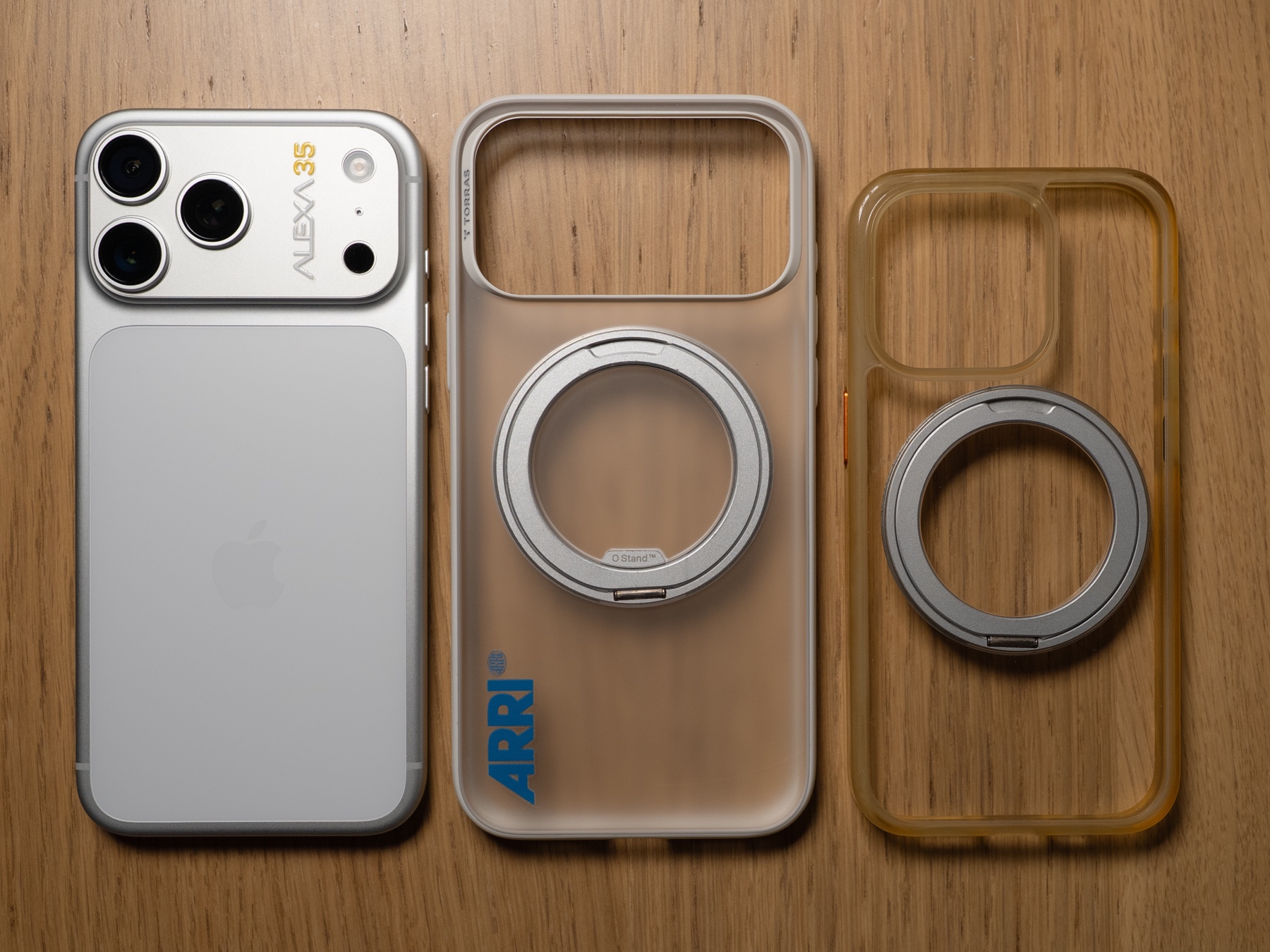
Left case: one year of use
Right case: one year of use, then a year in a drawer
Phone shown as a white reference
I used to buy fully clear cases: PC back, TPU frame, like the one on the right. Yellow TPU looks terrible. Last year I switched to a clear PC back with an opaque PP/ABS frame—the case on the left. A year later, no obvious yellowing.
That works for me. You see the phone’s color, without the yellow frame.
Finally, a little DIY case decoration:
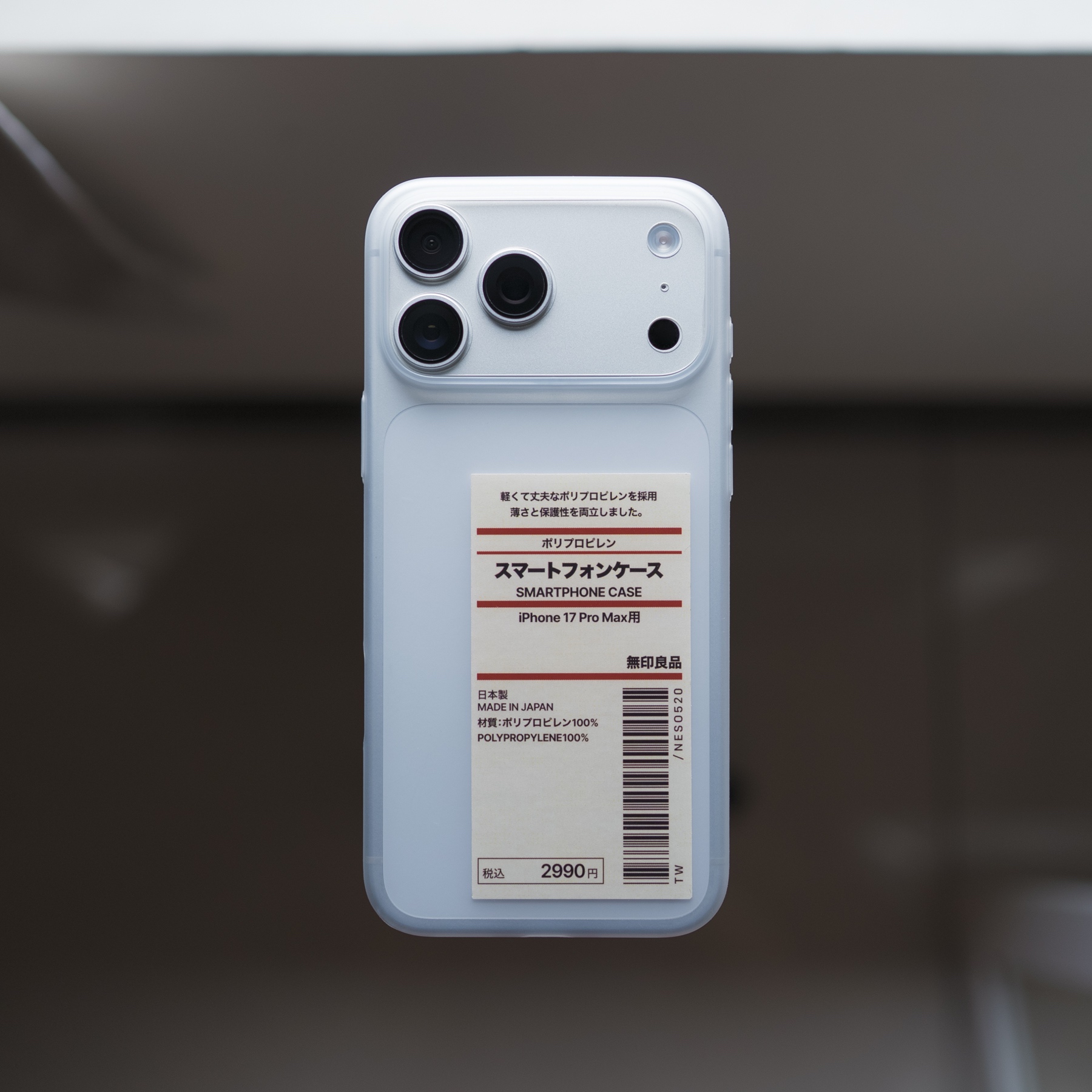
PP case, homemade MUJI label
Inspired by MUJI’s polypropylene storage boxes. The barcode doubles as my Taiwan e-invoice ID.
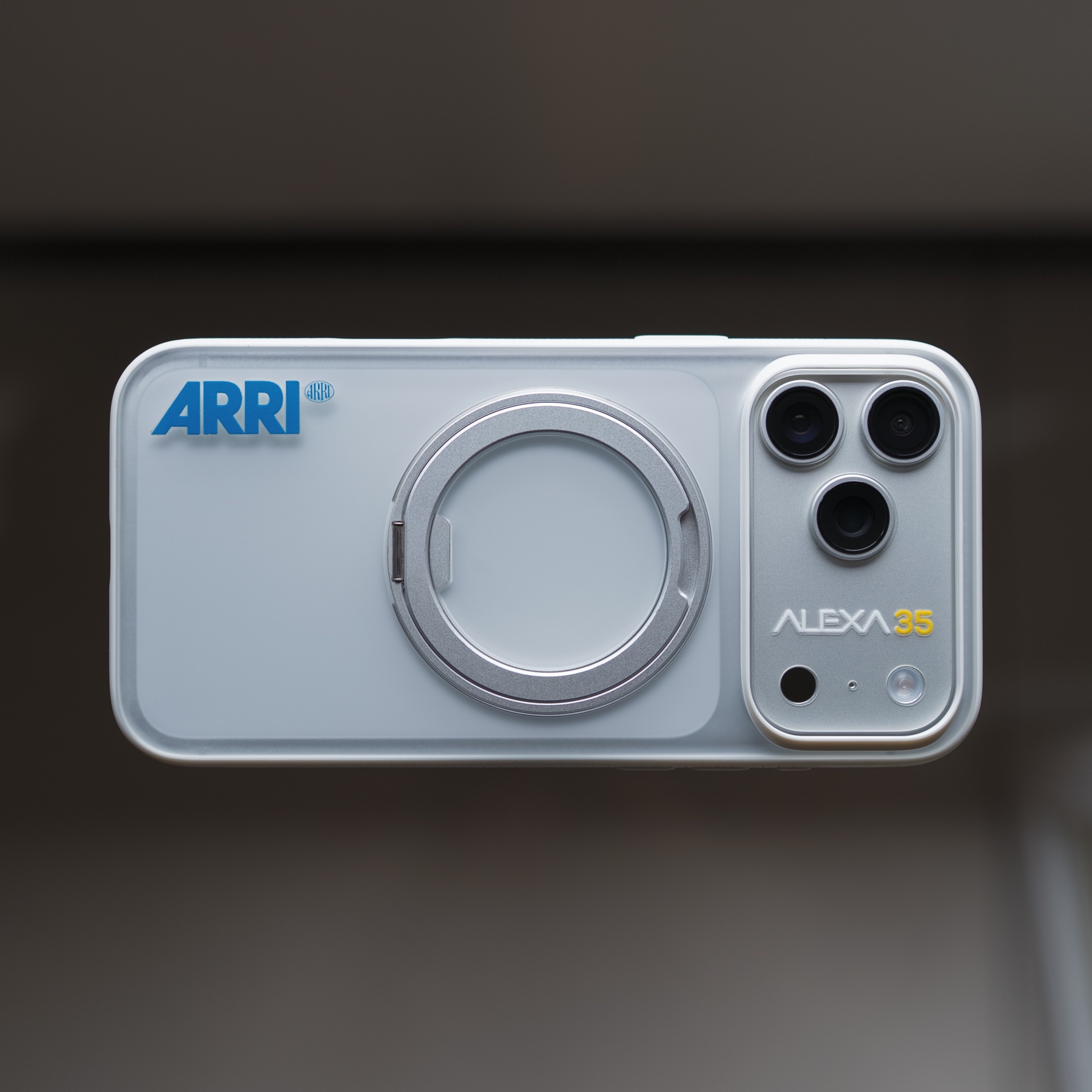
I'm a cinema camera now
Not an Honor Magic 9 Pro Max.